Proxy servers are used for many purposes, including web browsing, business operations, data collection, testing, and network management. However, proxy services can have very different pricing structures. Some browser-based proxy tools are free, while paid providers may charge based on IP type, bandwidth, usage, location, or subscription plan.
So, how much does a proxy server cost? The answer depends on the type of proxy you need, how frequently you use it, and the features offered by the provider.
In this guide, we explain the main factors that affect proxy server pricing, common pricing models, differences between proxy types, and what to consider before choosing a service.
What Is a Proxy Server?
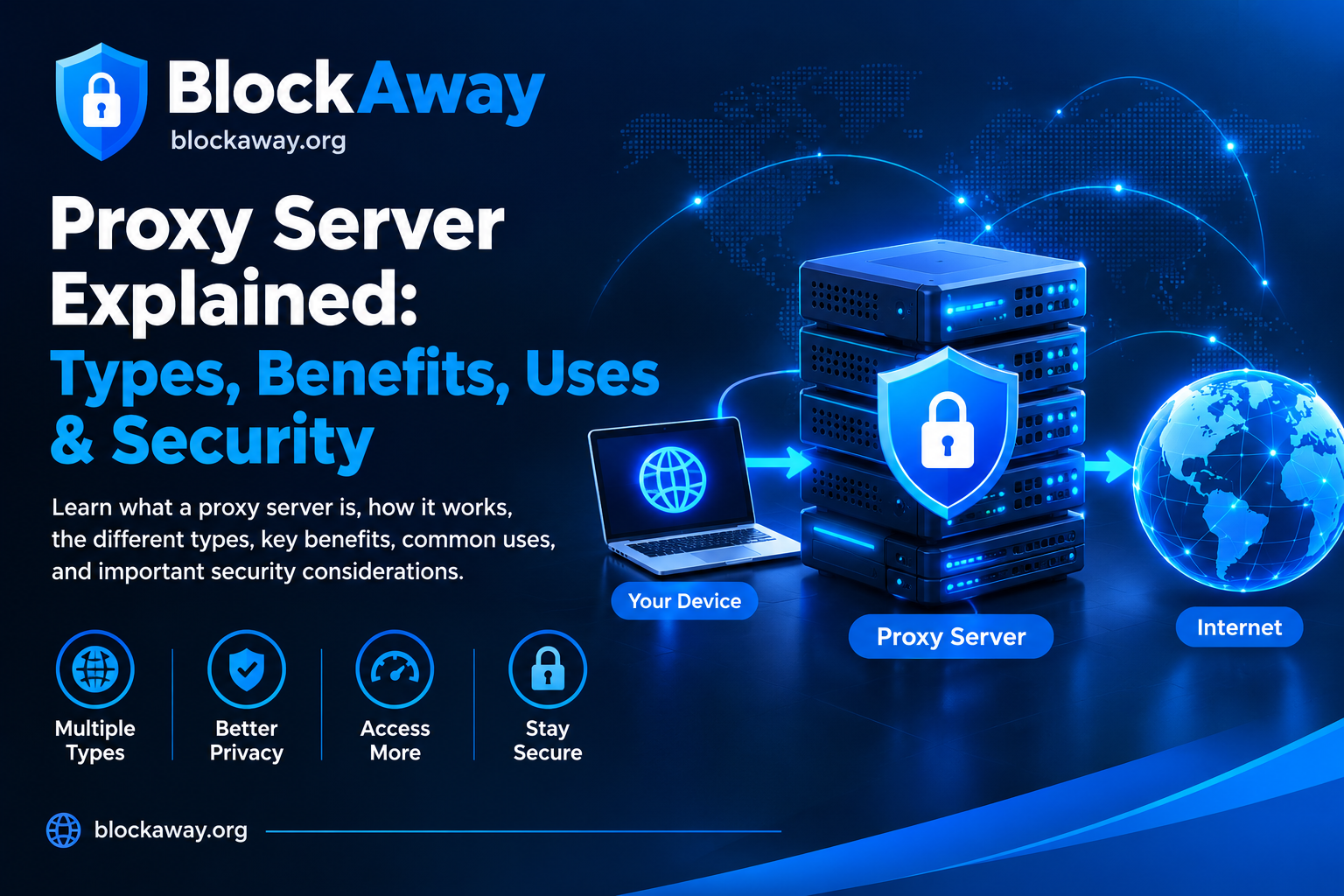
A proxy server acts as an intermediary between a device or application and another server. Instead of connecting directly to a destination, supported requests pass through the proxy.
Businesses and individuals use proxies for different reasons, such as testing websites, managing network traffic, accessing online services, and routing supported internet requests.
A proxy is not automatically a privacy or security solution. Its capabilities depend on its configuration and the provider’s practices.
How Much Does a Proxy Server Cost?
There is no single price for every proxy service. Costs depend on the provider, proxy type, usage limits, and included features.
Common pricing categories include:
Free web proxies: Usually available without a subscription, but may have limitations in speed, reliability, privacy, and supported websites.
Shared proxies: Multiple customers may use the same proxy IP addresses. Pricing depends on the provider and package.
Private proxies: Access to an IP address or proxy resource may be restricted to one customer, depending on the service’s terms.
Dedicated proxies: A provider allocates a proxy resource exclusively to a customer for a specified period or under particular conditions.
Residential proxies: Often priced according to traffic usage, IP access, or subscription terms.
Datacenter proxies: Pricing may depend on the number of IPs, locations, bandwidth, and whether access is shared or dedicated.
Rotating proxies: May charge based on traffic, requests, sessions, or subscription tiers.
These are pricing models rather than guaranteed price ranges. Providers change their plans, so check current pricing pages before making a purchase.
1. Free Proxy Services
Free web proxies can be useful for basic, occasional browsing through a supported website interface.
Advantages
No subscription payment may be required.
Setup can be simple.
Some services work directly in a browser.
They can be convenient for testing basic proxy functionality.
Disadvantages
Speeds and availability may vary.
Some websites may not work correctly.
Usage limits may apply.
Privacy and data-handling practices vary between providers.
Some services may display advertisements or restrict features.
A free service is not necessarily unsafe, but users should not assume that it provides strong privacy or security. Avoid entering passwords, financial details, or other sensitive information through an unfamiliar proxy.
2. Shared Proxy Pricing
Shared proxies are proxy resources used by multiple customers. The number of users and the provider’s resource allocation rules vary.
Shared services can be an option for users who need proxy access without paying for exclusive resources.
Before buying a shared proxy, check:
Whether the same IP address is used by other customers
The number of IP addresses included
Bandwidth or traffic limits
Supported protocols
Available locations
Refund and replacement policies
A low advertised price does not necessarily mean the service will meet your requirements. Reliability, support, and usage restrictions also matter.
3. Private and Dedicated Proxy Pricing
Private and dedicated proxies are often marketed to customers who need more control over their proxy access.
However, providers do not always use these terms in exactly the same way. Read the plan description to understand whether an IP is exclusive, how long access lasts, and whether bandwidth is limited.
Pricing may depend on:
Number of IP addresses
Country or city availability
HTTP, HTTPS, or SOCKS support
Bandwidth limits
Authentication options
Customer support
Subscription length
For business use, verify the service terms before paying for a long-term plan.
4. Residential Proxy Pricing
Residential proxies route supported traffic through IP addresses associated with residential internet connections.
Some providers charge according to the amount of traffic used, while others offer subscriptions, IP access, or different usage tiers.
Residential proxy pricing may depend on:
Traffic allowance
Country or location targeting
Rotation and session options
Concurrent connections
Access to particular IP pools
Support and account features
Residential proxies can be more expensive than some datacenter options, but actual costs vary widely. Compare the included traffic and usage conditions instead of relying only on the headline price.
Use residential proxy services responsibly and check that the provider obtains and uses IP resources lawfully and transparently.
5. Datacenter Proxy Pricing
Datacenter proxies use IP addresses associated with data centers rather than residential internet connections.
They are used for tasks such as website testing, network operations, and other supported workflows.
Factors that can affect their pricing include:
Number of IP addresses
Shared or dedicated access
Bandwidth and connection limits
Available locations
Protocol support
Replacement and support policies
Datacenter proxies may offer cost-effective options for some workloads. However, some websites restrict or block traffic from certain datacenter IP ranges.
Choose a service based on your actual use case, not price alone.
6. Rotating Proxy Pricing
Rotating proxies can change the outgoing IP address according to the provider’s rotation rules or the user’s session settings.
They may be offered under several billing models.
Pay-Per-Traffic
The customer pays based on the amount of data transferred. This model can be useful when usage varies from month to month.
Monthly Subscription
A fixed recurring fee provides access to a defined package. The plan may include a traffic allowance or other restrictions.
Request-Based Pricing
Some services charge according to the number of requests or another usage metric.
Before purchasing, check what counts as billable usage, whether failed requests are charged, and what happens when you reach the plan limit.
7. What Factors Affect Proxy Server Costs?
Proxy Type
Residential, datacenter, shared, dedicated, and rotating proxies use different infrastructure and resource models. Their pricing structures can therefore differ.
Bandwidth and Usage
A plan with a traffic allowance may be more expensive than a plan with limited usage. Estimate how much data your applications are likely to transfer.
Number of IP Addresses
A package containing multiple IP addresses may cost more than one with a single address. Make sure you need the number included in the plan.
Geographic Targeting
Some providers offer access to IP addresses in specific countries or cities. Location options can affect availability and pricing.
Speed and Reliability
Providers may differentiate plans by capacity, performance, connection limits, or service guarantees. Look for clearly defined specifications rather than vague promises.
Support and Account Management
Business plans may include priority support, account management, or other features. These extras may affect the total cost.
Billing Period
Monthly, quarterly, and annual subscriptions can have different effective prices. A longer commitment may reduce the advertised monthly rate, but it can also increase the upfront payment and cancellation risk.
8. How to Calculate the Real Cost of a Proxy
The advertised price is only one part of the total cost.
Before choosing a plan, consider the following:
Subscription fee: The amount charged for the selected billing period.
Usage charges: Additional traffic, requests, or overage fees, if applicable.
Required add-ons: Extra IPs, locations, or features that are not included.
Taxes and payment fees: Charges that may apply at checkout.
Unused allowance: Traffic or access that expires at the end of a billing period.
Renewal terms: Whether the subscription renews automatically and at what rate.
For example, a low-cost plan may become more expensive if it requires paid add-ons or has a small usage allowance. Compare the final checkout amount and the limits of each plan.
9. Free Proxy vs. Paid Proxy: Which Is Better?
Neither option is best for every user.
A Free Proxy May Suit You If:
You need occasional access through a supported web interface.
You are testing basic functionality.
You do not need guaranteed availability or advanced features.
You can avoid sharing sensitive information.
A Paid Proxy May Suit You If:
You need defined usage limits and service specifications.
Your workflow requires particular locations or protocols.
You need a larger IP pool or more control over sessions.
You need support or business-oriented service terms.
Paid access does not automatically guarantee privacy, security, or better performance. Check the provider’s actual features and policies.
10. How to Choose a Proxy Provider
Before purchasing a proxy service, evaluate the following points.
Read the Privacy Policy
Understand what data the provider collects, how it is used, how long it is retained, and whether it is shared with third parties.
Confirm whether the service supports the protocols required by your browser, application, or technical environment.
Review Usage Limits
Check traffic allowances, concurrent connection limits, session duration, request limits, and any overage charges.
Test Compatibility
If a trial or small starter plan is available, test it with your intended workflow before committing to a larger package.
Check Refund Terms
Understand the refund policy, cancellation procedure, and any restrictions before paying.
Avoid Unrealistic Claims
Be cautious of promises of complete anonymity, guaranteed access to every website, or unlimited performance without clear technical details.
Confirm Responsible Use
Review the provider’s acceptable-use policy and comply with applicable laws and the rules of the websites or services you access.
Frequently Asked Questions
Are proxy servers free?
Some web proxies are free to use, while many proxy services charge for access, traffic, IP addresses, or additional features. Free services may have limitations and should be evaluated carefully.
Why do residential proxies cost more than some datacenter proxies?
Residential proxy services may involve different IP sourcing arrangements, traffic models, and infrastructure costs. Actual pricing depends on the provider and plan.
Are dedicated proxies worth the price?
They may be useful when a workflow requires exclusive access to a proxy resource or more predictable control. Whether they are worth the price depends on your needs and the service’s terms.
Is unlimited proxy traffic really unlimited?
Not always in the way users expect. Read the fair-use policy, speed limits, connection restrictions, and any other conditions attached to an unlimited plan.
Can I use a free proxy for banking?
It is generally best to avoid unfamiliar proxies for banking and other sensitive activities. A proxy introduces another service into the connection, and its security and privacy practices may be unclear.
How can I compare proxy providers?
Compare the proxy type, usage allowance, IP options, locations, protocols, support, privacy policy, refund terms, and total checkout price. Verify current prices directly with each provider.
Conclusion
Proxy server pricing varies according to the proxy type, IP allocation, traffic usage, geographic options, and service features. Free web proxies can be convenient for basic tasks, while paid options may provide more defined resources and usage terms.
Before choosing a plan, identify your requirements, calculate the total cost, review the provider’s privacy policy, and verify current pricing on its official website.
The best proxy service is not necessarily the cheapest one. It is the option that meets your technical needs, has transparent terms, and fits your budget.