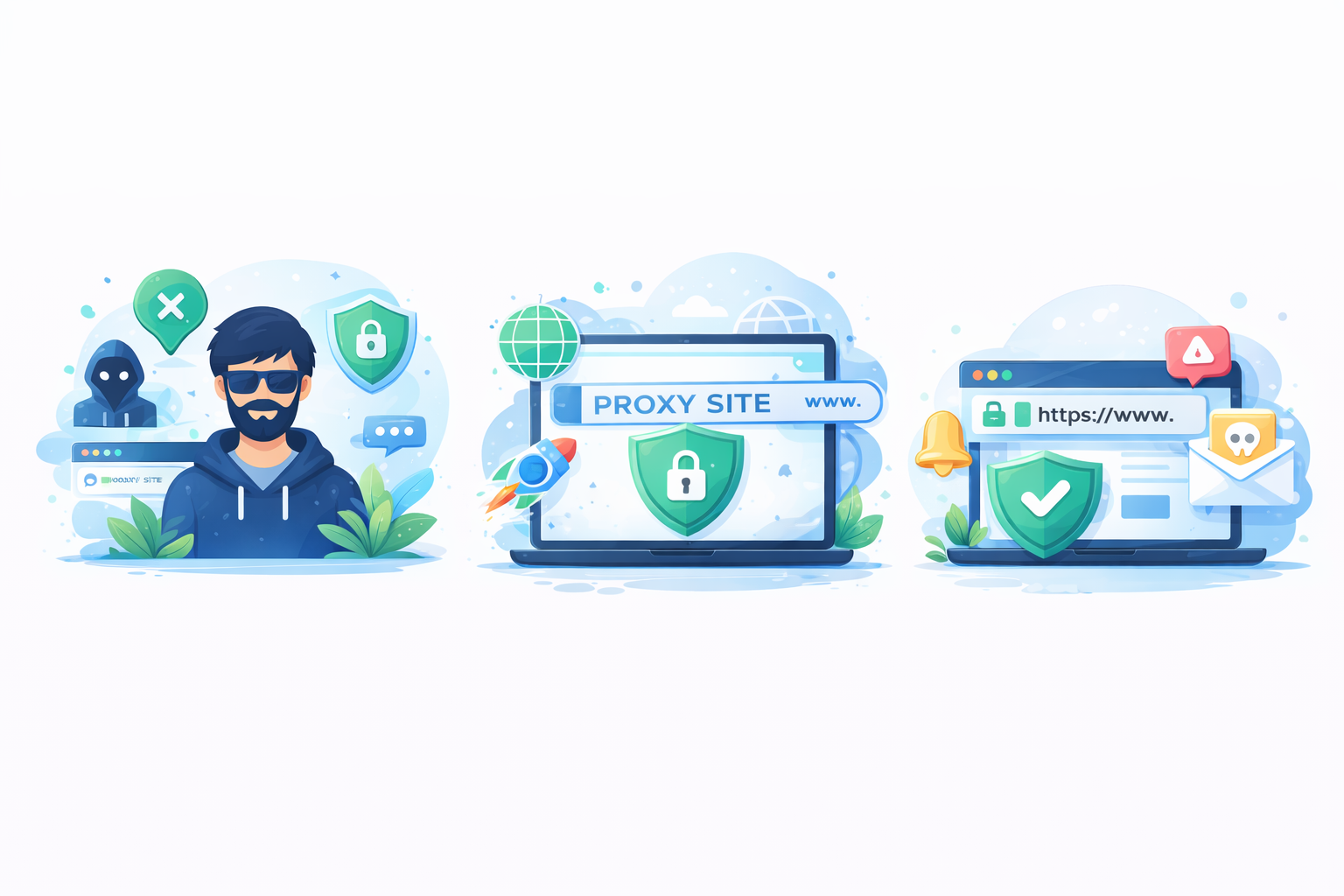
Introduction: The Changing Landscape of the Internet
The internet was originally designed as an open platform where information could flow freely across borders. Over time, however, this openness has been challenged by increasing surveillance, data collection, geo-restrictions, and content filtering. Today, users often face blocked websites, targeted advertising, and concerns about personal data security.
As digital awareness grows, so does the demand for tools that can restore privacy and freedom. One of the most accessible and widely used solutions is proxy sites. These tools provide a simple way to browse anonymously, bypass restrictions, and maintain control over online activity.
This comprehensive guide explores proxy sites in depth—from basic concepts to advanced usage—so you can fully understand how to use them safely and effectively.
What Are Proxy Sites?
Proxy sites are web-based platforms that act as intermediaries between a user’s device and the internet. When you use a proxy, your request does not go directly to the target website. Instead, it first passes through the proxy server, which then forwards the request.
Basic Workflow:
User enters a URL in the proxy site
Proxy server processes the request
Request is sent to the target website
Website responds to the proxy server
Proxy server sends the response back to the user
This process ensures that:
The website sees the proxy server’s IP, not yours
Your location remains hidden
Your browsing becomes more private
The Evolution of Proxy Technology
Proxy servers have been around since the early days of the internet. Initially, they were used for caching and improving network performance. Over time, their role expanded into privacy protection and access control.
Key Stages:
Early Internet: Used for caching and faster loading
Corporate Use: Filtering employee access
Privacy Era: Anonymous browsing tools
Modern Use: Circumventing restrictions and enhancing security
Today, proxy sites are widely used by individuals, students, professionals, and developers.
Why Proxy Sites Are Important in 2026
1. Growing Privacy Concerns
Users are increasingly aware of how their data is collected and used.
2. Global Content Restrictions
Many websites restrict access based on geographic location.
3. Workplace and School Filters
Organizations often block certain websites.
4. Cybersecurity Threats
Users need protection against tracking and malicious actors.
Proxy sites provide a practical solution to all these challenges.
Types of Proxy Sites
Understanding different types of proxy sites helps you choose the right one.
1. Web Proxy (Most Common)
Accessed through a browser
No installation required
Simple and user-friendly
2. Anonymous Proxy
Hides your IP
Identifies itself as a proxy
3. Elite Proxy
Provides full anonymity
Does not reveal proxy usage
4. Transparent Proxy
Does not hide IP
Used mainly for monitoring
How Proxy Sites Work Internally
Behind the scenes, proxy sites rely on server infrastructure and network protocols.
Core Components:
Client Device
Proxy Server
Target Website
Key Functions:
Request forwarding
IP masking
Data filtering
Content delivery
Some advanced proxies also support:
SSL encryption
Content compression
Script filtering
Advantages of Using Proxy Sites
1. Privacy Protection
Your IP address is hidden, reducing tracking.
2. Access to Restricted Content
Bypass filters and access blocked websites.
3. Ease of Use
No technical knowledge required.
4. Cost Efficiency
Many proxy sites are free.
5. Fast Setup
Instant access via browser.
Limitations of Proxy Sites
1. Limited Security
Not all proxies encrypt traffic.
2. Speed Issues
Free proxies may be slow.
3. Compatibility Problems
Some sites block proxies.
4. Data Logging Risks
Untrusted proxies may track activity.
Proxy Sites vs VPN: Detailed Comparison
Feature Proxy Sites VPN
Setup Instant Requires installation
Speed Faster Slightly slower
Encryption Limited Strong
Cost Free options Paid mostly
Use Case Browsing Full protection
How to Use Proxy Sites Safely
1. Choose Trusted Services
Avoid unknown or suspicious proxy sites.
2. Use HTTPS Websites
Ensure encrypted communication.
3. Avoid Sensitive Logins
Do not use proxies for banking.
4. Clear Cookies
Prevent tracking.
5. Stay Updated
Keep browser and security tools updated.
Common Mistakes Users Make
Using random free proxies
Ignoring HTTPS warnings
Logging into personal accounts
Not clearing browsing data
Best Use Cases for Proxy Sites
1. Access Blocked Websites
Useful in schools or offices.
2. Anonymous Research
Browse without revealing identity.
3. Testing Websites
Developers test geo-based content.
4. Avoiding Ads Tracking
Reduce targeted ads.
Security Risks and How to Avoid Them
Risks:
Data interception
Malware injection
Logging of user activity
Solutions:
Use trusted proxies
Avoid downloads
Verify URLs
Advanced Proxy Techniques
1. Combining Proxy with Browser Privacy Settings
Enhances anonymity.
2. Using Multiple Proxies
Adds extra layers of privacy.
3. Script Blocking
Prevents tracking scripts.
Legal Aspects of Proxy Usage
Using proxy sites is generally legal, but misuse can lead to issues.
Always:
Follow local laws
Avoid illegal activities
Respect website policies
Future of Proxy Sites
The future of proxy sites includes:
Faster servers
Better encryption
AI-based threat detection
Improved user experience
Best Practices for Maximum Privacy
Use trusted proxy platforms
Combine with safe browsing habits
Avoid risky behavior
Stay informed about threats
Conclusion: The Power of Proxy Sites
Proxy sites are one of the simplest and most effective tools for achieving online privacy and freedom. While they are not perfect, they provide a valuable layer of protection for everyday browsing.
By understanding how proxy sites work and using them responsibly, you can take control of your online experience—browsing safely, privately, and without restrictions.