Best VPN for School WiFi
School WiFi networks are designed to provide internet access for educational purposes, but they often come with restrictions. Many students find that websites, streaming platforms, gaming services, social media apps, or communication tools are blocked. In addition to restrictions, school networks may monitor browsing activity or have weak security settings.
Because of this, many students search for the best VPN for school WiFi. A VPN, or Virtual Private Network, creates a secure encrypted connection between your device and the internet. It can help protect privacy, secure your data on public WiFi, and provide more control over your browsing experience.
This guide explains how VPNs work on school WiFi, what features matter most, how to choose a good VPN, benefits, risks, and best practices for students.
What Is a VPN?
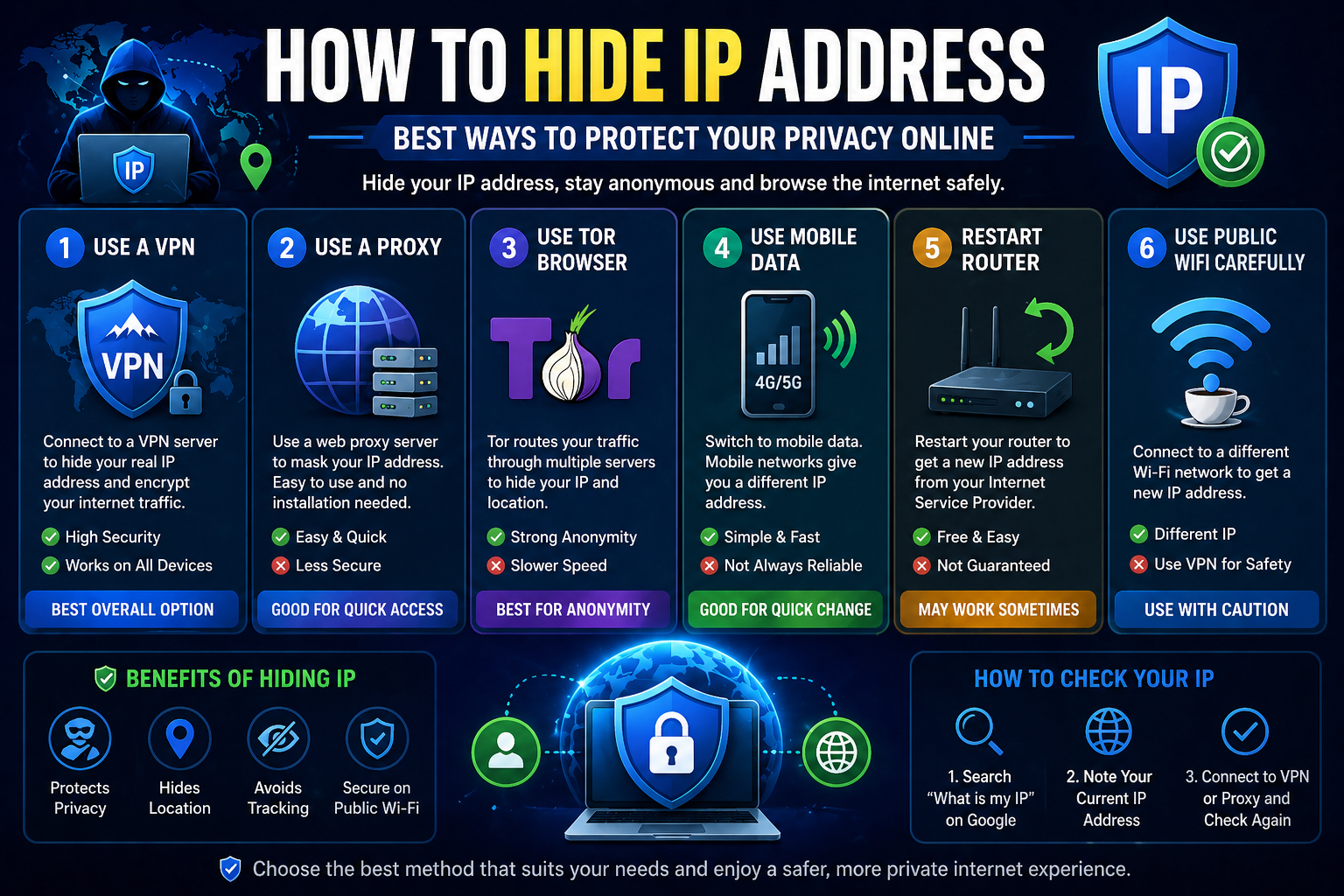
A VPN is a privacy tool that routes your internet traffic through a secure server. Instead of connecting directly to websites through the local network, your traffic first passes through the VPN server.
This process can:
- Encrypt internet traffic
- Protect passwords on public WiFi
- Hide your local IP address
- Reduce tracking from local networks
- Improve privacy while browsing
For students, this can be especially useful when using school WiFi, library networks, dorm networks, or campus hotspots.
Why Students Use VPNs on School WiFi
There are many reasons why students look for VPN services.
1. Privacy Protection
School networks may log visited websites, browsing time, or connection data. A VPN helps add privacy by encrypting your traffic.
2. Public WiFi Security
Shared networks are more vulnerable than private home connections. VPN encryption adds another layer of security.
3. Access to Learning Resources
Sometimes useful educational websites, forums, or research tools may be blocked by filters. A VPN can help restore access depending on network setup.
4. Video Calls and Communication
Students may use messaging apps or calling services for study groups. Some networks restrict them.
5. Safe Remote Work
Students often log in to email, portals, and cloud storage from school WiFi. VPN use can help secure those sessions.
How VPN Works on School WiFi
When you connect to school WiFi normally:
Your Device → School Network → Website
When using a VPN:
Your Device → Encrypted VPN Tunnel → VPN Server → Website
The school network can still see that you connected to a VPN server, but it cannot easily inspect the encrypted contents of your browsing traffic.
Important Features in the Best VPN for School WiFi
Not all VPNs are the same. Students should look for the following features.
1. Strong Encryption
Choose VPNs using modern protocols like:
- WireGuard
- OpenVPN
- IKEv2
These provide strong security and good speed.
2. Fast Speed
School users often need:
- Video lectures
- Cloud uploads
- Browsing
- Research downloads
A slow VPN becomes frustrating quickly.
3. Large Server Network
More server locations help with:
- Better speed
- Less congestion
- Reliable connections
4. No-Logs Policy
A trustworthy VPN should state that it does not store unnecessary browsing logs.
5. Kill Switch
If VPN disconnects suddenly, a kill switch blocks traffic until reconnection.
This prevents accidental exposure.
6. Multi-Device Support
Students often use:
- Phone
- Laptop
- Tablet
Choose a VPN that supports multiple devices.
7. Easy Apps
Simple apps matter for beginners.
Best Types of VPN for Students
Instead of naming brands only, understand categories.
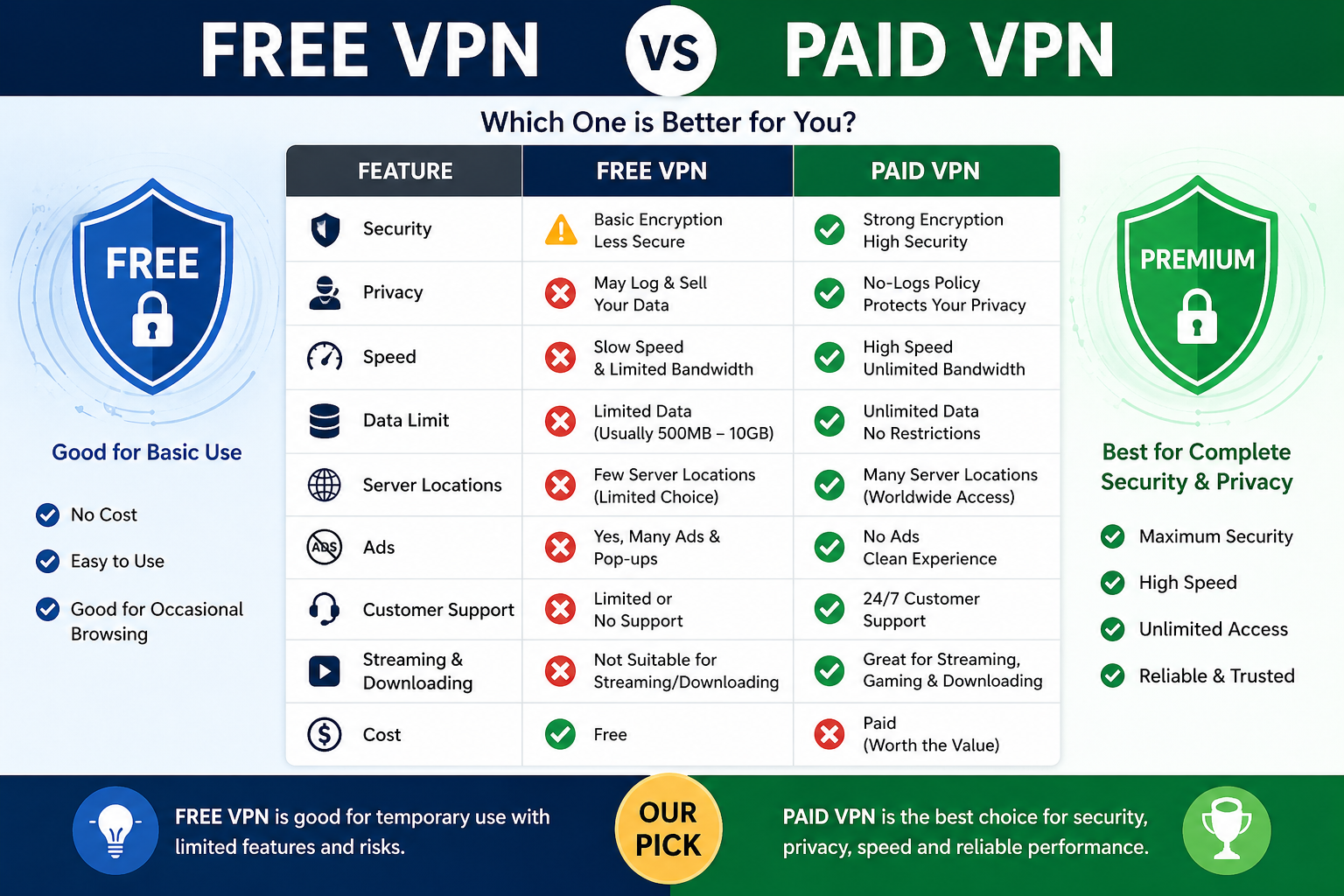
Premium Paid VPNs
Usually best for:
- Fast speeds
- Better security
- Reliable apps
- Good support
Best for daily student use.
Free VPNs
Good for:
- Light occasional browsing
- Testing VPN basics
But many free VPNs have:
- Data limits
- Slower speeds
- Fewer servers
- Ads
- Weak privacy models
Student Discount VPN Plans
Some providers offer discounted yearly plans that reduce cost significantly.
Can VPN Unblock Websites on School WiFi?
Sometimes yes, but not always.
It depends on:
- Firewall level
- DNS filtering
- Deep packet inspection
- Device management policies
- Router restrictions
Simple filters may be bypassed more easily than advanced enterprise firewalls.
Is It Legal to Use a VPN at School?
VPN use is legal in many countries, but school rules may restrict it.
Always check:
- Acceptable use policy
- IT guidelines
- Student handbook
Using tools against school policy could lead to warnings or access suspension.
Best Uses of VPN for Students
A VPN is most responsibly used for:
- Securing passwords on WiFi
- Protecting banking logins
- Using email privately
- Accessing personal cloud storage
- Safe browsing on public networks
When Not to Use a VPN
Avoid using a VPN for:
- Breaking laws
- Cheating systems
- Violating exams or testing rules
- Bypassing security controls irresponsibly
How to Choose the Best VPN for School WiFi
Use this checklist.
Choose a VPN With:
- Good reputation
- Transparent privacy policy
- Strong encryption
- Stable speeds
- Apps for iPhone / Android / Windows / Mac
- Fair pricing
- Refund policy
VPN for iPhone Students
Many students use iPhones. Good VPN apps should provide:
- One-tap connect
- Auto-connect on WiFi
- Battery efficiency
- Reliable reconnecting
VPN for Android Students
Android users should look for:
- Split tunneling
- Auto-start options
- Low battery usage
- WireGuard support
VPN for Laptop Students
Laptop users need:
- Strong desktop app
- Fast speeds
- Kill switch
- Stable long sessions
Can School Detect VPN Use?
Often yes, they may detect:
- Connection to VPN IP ranges
- Encrypted tunnels
- Unusual traffic patterns
But detection does not automatically mean traffic contents are visible.
Why Some VPNs Fail on School WiFi
Reasons include:
- VPN ports blocked
- DNS restrictions
- Firewall filtering
- Outdated app
- Weak protocol support
Tips If VPN Is Not Working
- Switch protocol
- Change server
- Use mobile hotspot
- Update app
- Restart WiFi
- Contact VPN support
Does VPN Slow Internet?
Sometimes slightly.
Because traffic is encrypted and rerouted, but premium VPNs often minimize slowdown.
Best Time to Use VPN on Campus
Useful during:
- Public study lounges
- Library WiFi
- Cafeteria WiFi
- Hostel shared networks
- Open campus hotspots
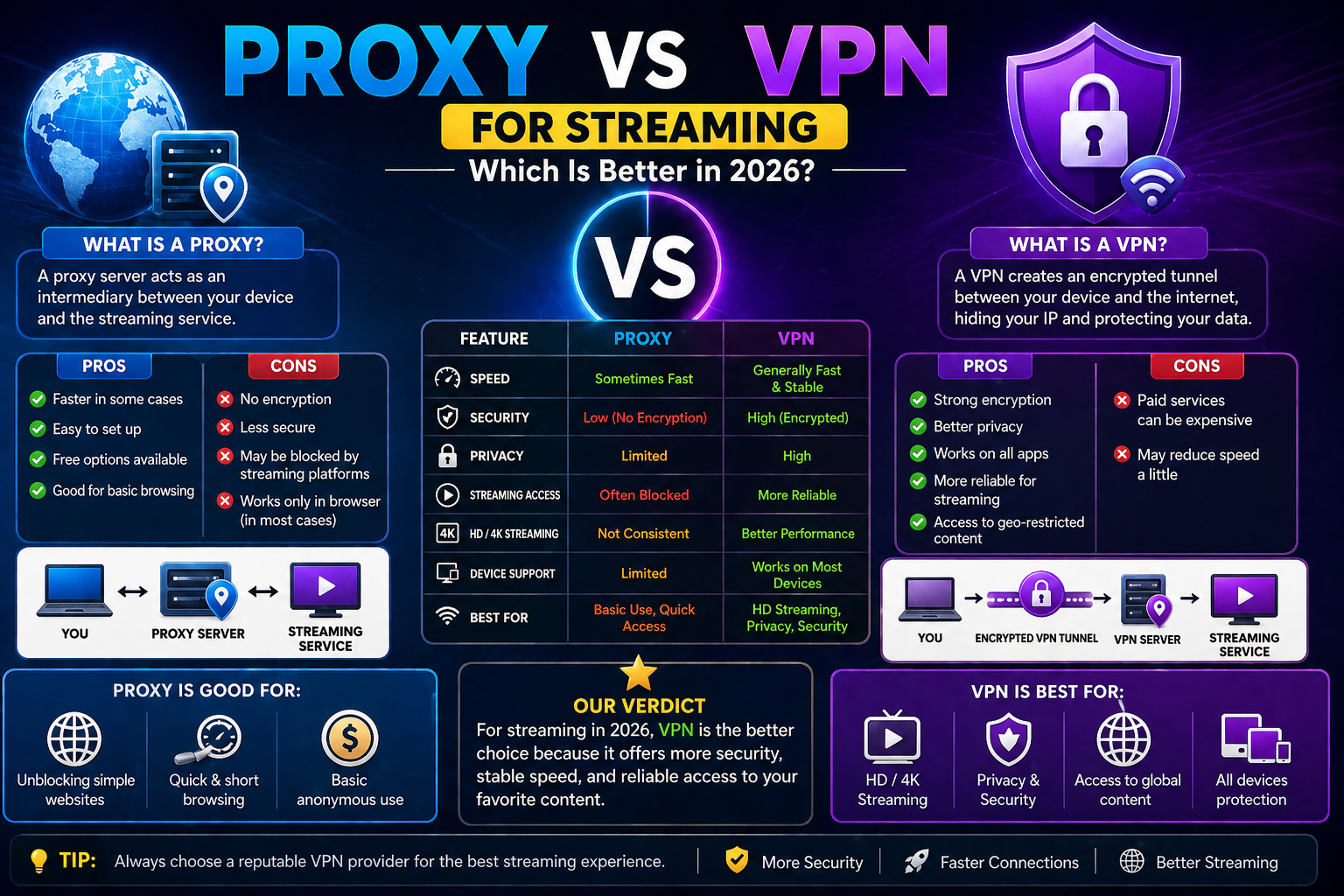
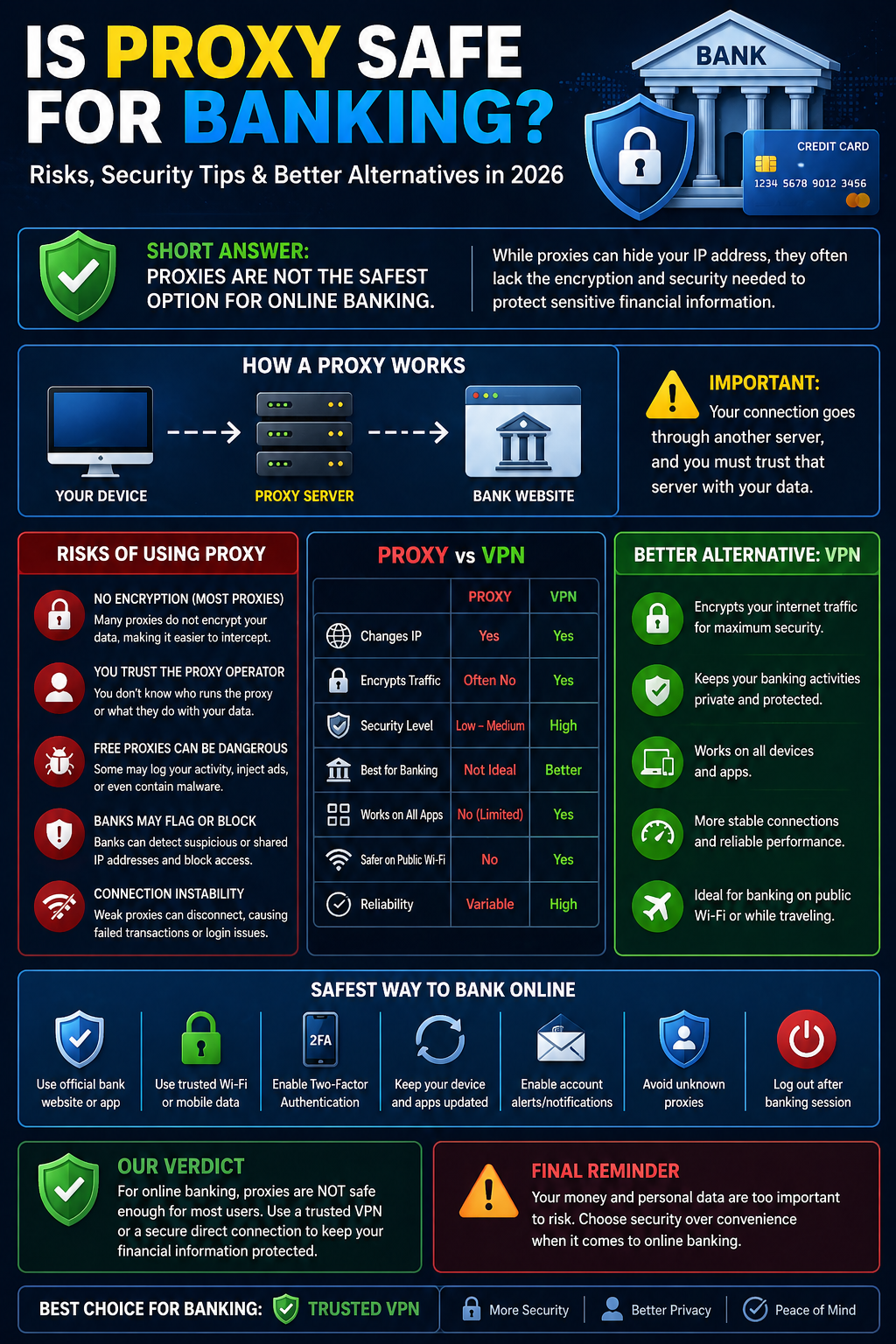
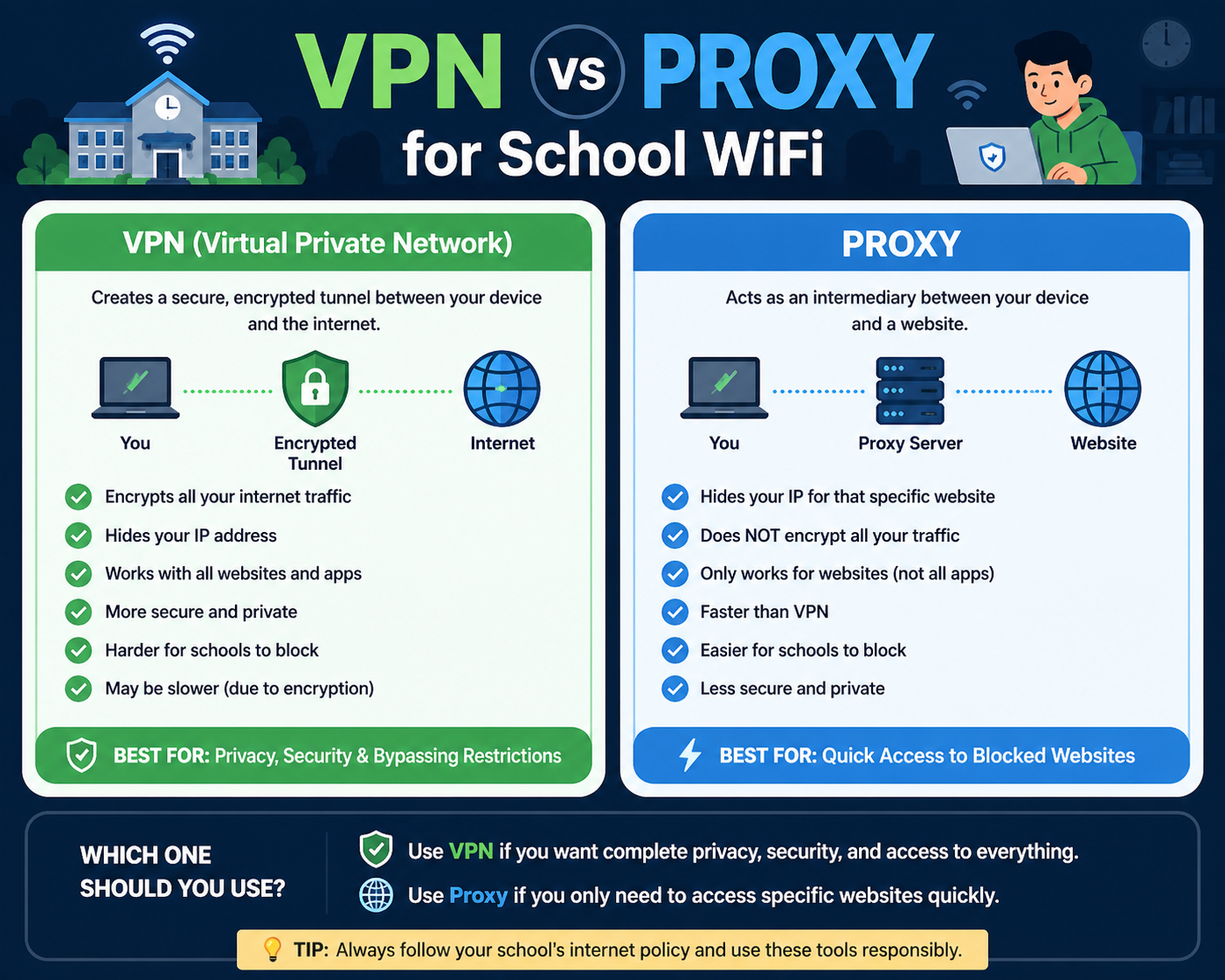
VPN vs Proxy for School WiFi
| Feature | VPN | Proxy |
| Encryption | Yes | Usually No |
| Privacy | Stronger | Basic |
| Device Protection | Whole device | Browser only |
| Speed | Good | Variable |
| Security | Better | Lower |
VPN is usually the better long-term option.
Security Tips for Students
Even with VPN:
- Use strong passwords
- Enable 2FA
- Keep apps updated
- Avoid phishing links
- Log out of shared devices
Common Mistakes Students Make
Using Random Free VPN Apps
Some low-quality apps collect data or flood users with ads.
Ignoring Permissions
Always review app permissions.
Leaving VPN Always On Without Need
Use responsibly.
How Much Should Students Pay?
Reasonable budget:
- Monthly plans cost more
- Yearly plans often cheaper
Students on budget should compare long-term plans carefully.
What Makes a VPN Trustworthy?
Look for:
- Independent audits
- Clear company ownership
- Transparent policies
- Good customer reviews
- Long market presence
Can VPN Improve Streaming on School WiFi?
Sometimes it helps if throttling exists, but not guaranteed.
Can VPN Help Gaming?
Sometimes lower throttling helps, but distance to server can also increase ping.
Final Recommendation
The best VPN for school WiFi is one that balances:
- Speed
- Security
- Ease of use
- Price
- Device support
- Reliability
Students should prioritize privacy and safe internet use rather than only bypassing restrictions.
Conclusion
Using the best VPN for school WiFi can improve privacy, security, and browsing control on shared student networks. The right VPN helps protect sensitive information, secure public WiFi sessions, and provide a smoother online experience for students. Always choose a trustworthy provider and use it responsibly according to local rules and school policies.
Frequently Asked Questions
1. What is the best VPN for school WiFi?
A reliable premium VPN with fast speeds, strong encryption, and easy apps is usually best.
2. Can school WiFi block VPNs?
Yes, some advanced networks can block or restrict VPN traffic.
3. Is free VPN good for students?
Free VPNs may work lightly but often have limits and weaker performance.
4. Does VPN hide browsing from school WiFi?
It can encrypt traffic, making browsing contents harder to inspect.
5. Is VPN safe on iPhone?
Yes, if you use a trusted provider from the App Store.
6. Will VPN slow WiFi?
Sometimes slightly, depending on server quality.
7. Can I use VPN for study websites?
Yes, many students use VPNs for privacy and secure access.
8. Is proxy better than VPN?
VPN is usually better because it includes encryption.
9. Can VPN protect passwords?
Yes, encryption helps protect logins on shared WiFi.
10. Is VPN legal?
Often yes, but school rules may differ.